2026-09-15 ·
Seasonal Sewer Maintenance: Why Fall Is Ideal for Hydro Jetting in Tacoma
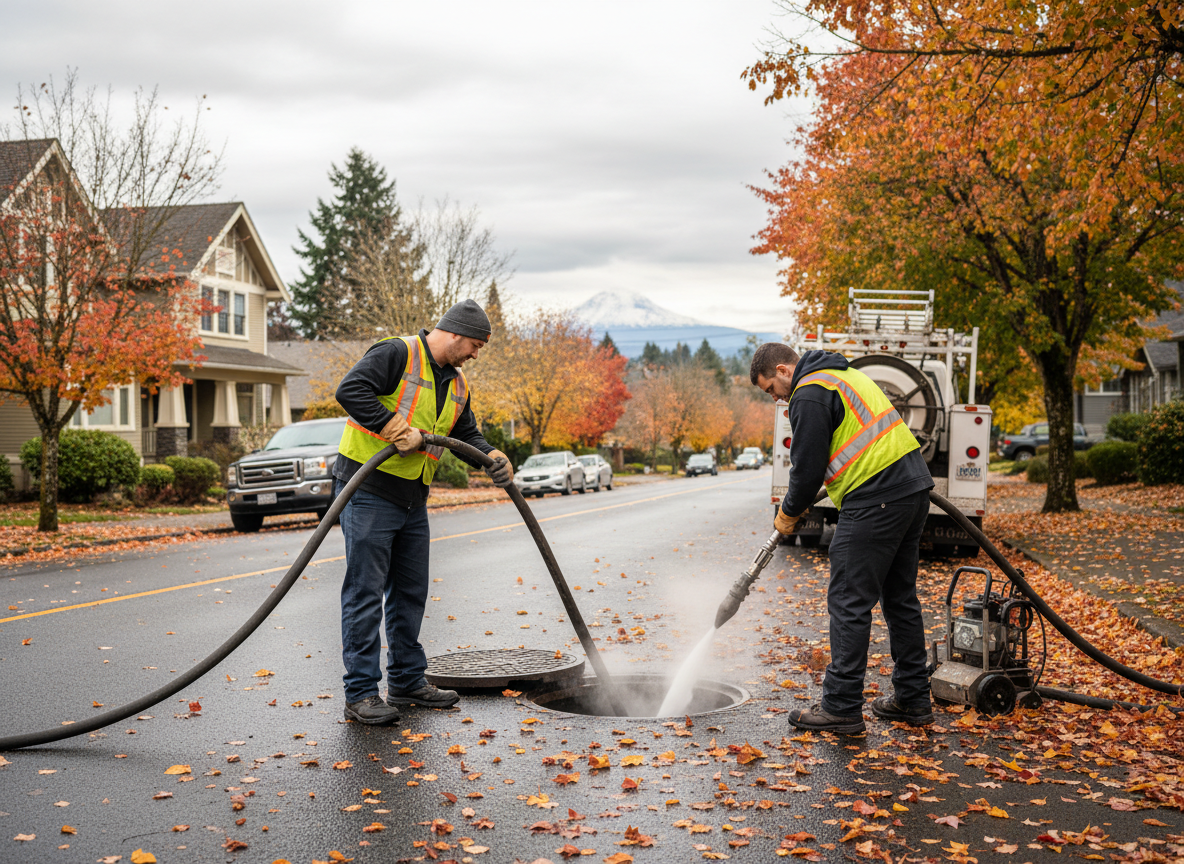
Fall is the ideal season for sewer hydro jetting in Tacoma because it clears grease, roots, and debris from lines before the wet winters increase flow and expose weaknesses in older Pierce County homes. Homes built before 1970 in the North End, Hilltop, and Stadium District often have clay or cast-iron pipes that collect buildup during the mild marine climate's dry spells, then face sudden surges when rains hit. Scheduling the service now lets crews work in stable temperatures without the mud and high water tables that complicate jobs once winter sets in.
Tacoma's Climate and Sewer Stress Patterns
Tacoma's cool summers followed by wet winters create predictable pressure on drain systems. Light rainfall in early fall gives crews clear access to cleanouts while soil remains firm, unlike the saturated ground common after November storms. In areas such as the Eastside and West End, tree roots from mature plantings seek moisture in sewer lines during the drier months, creating blockages that only become obvious once heavy rain arrives. Hydro jetting at 4,000 psi removes these intrusions before winter flows push waste back into basements. Properties near Point Defiance Park and the Chihuly Bridge of Glass often sit on slopes where runoff accelerates, making pre-winter clearing essential to avoid backups that affect multiple homes on the same main.
How Older Housing Stock Affects Jetting Needs
Many Tacoma residences in the Proctor District, Downtown Tacoma, and South End contain 50- to 80-year-old sewer laterals that trap grease from kitchen drains and scale from hard water. These lines run 4 to 6 inches in diameter and respond well to hydro jetting when performed before seasonal rains increase volume. Waiting until spring means fighting higher water tables and colder pipe temperatures that slow the cutting action of the jet. Crews working out of 403 Broadway can reach these neighborhoods quickly during fall daylight hours, completing most residential jobs in one visit without the delays that come with winter mud. Addressing buildup now also reduces the chance of emergency calls during the busiest storm months.
Practical Steps for Fall Sewer Hydro Jetting
Homeowners should first request a camera inspection to map the line and locate cleanouts. Next, schedule the hydro jetting service during the drier weeks of September or October when daytime temperatures stay above 50 degrees. After the lines are cleared, consider adding a sewer line hydro jetting maintenance visit every 18 to 24 months for homes with known root issues. Residents in nearby Lakewood and Federal Way follow the same schedule because the same marine climate affects their systems. This timing prevents the slow drains and gurgling toilets that appear once winter rains begin.
Why Spring or Summer Jetting Falls Short
Spring hydro jetting often occurs after winter damage has already happened, requiring additional repairs. Summer work competes with vacation schedules and can miss the root growth that accelerates in late August. Fall remains the window when soil conditions allow thorough cleaning without the extra equipment needed for frozen or flooded access points. Linking this service to an annual plan helps owners in the University Place area stay ahead of recurring grease and paper buildup common in multi-story homes.
Tacoma Hydro Jetting operates Monday through Friday from 8am to 6pm and Saturdays from 9am to 2pm to accommodate these seasonal schedules. Planning the work now keeps systems flowing smoothly through the wet months ahead.